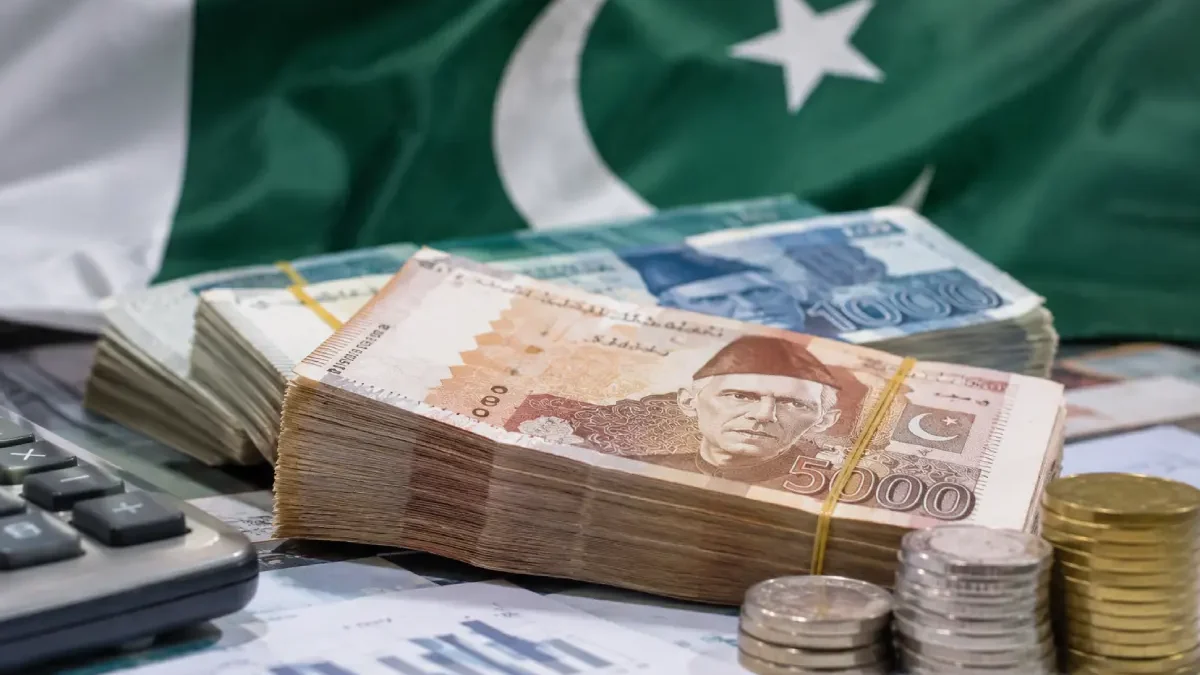
Pakistan’s public and guaranteed debt rose by Rs 6.21 trillion in one year. It reached Rs 90.98 trillion by the end of June 2026, up from Rs 84.77 trillion in June 2025. That is a 7.3% increase, confirmed by a senior Finance Ministry official.
Where the Extra Debt Came From
Domestic debt went up by Rs 4.93 trillion, from Rs 56.7 trillion to Rs 61.65 trillion. The official linked this to interest rate changes, since a large part of domestic debt carries floating rates.
External debt grew by Rs 1.29 trillion, from Rs 28.06 trillion to Rs 29.35 trillion.
Total public debt, without counting government guarantees, stood at Rs86.7 trillion. That is up Rs6.2 trillion, or 7.7%, from Rs80.5 trillion a year earlier. On average, every Pakistani now owes around Rs333,000.
Interest Payments Actually Fell
Even though the debt pile grew, interest payments dropped by Rs1.94 trillion, or 21.7%. They fell from Rs8.88 trillion in FY25 to Rs6.95 trillion in FY26.
The Finance Ministry credited this drop to three things:
- Growth in nominal GDP
- A federal primary surplus of Rs2.18 trillion
- Debt buybacks during the year
The debt-to-GDP ratio also improved, moving to 68.3% from 70.6% a year earlier, according to the Ministry’s Annual Debt Review Report for FY26.
Government Guarantees Add More
Outside the core public debt figure, the government also carries guarantees worth Rs4.28 trillion. Of this, Rs2.23 trillion is domestic and Rs2.24 trillion is external.
Why This Matters
A bigger debt load usually means the government needs more revenue just to keep up with repayments. The fall in interest costs and the improved debt-to-GDP ratio are good signs. But the debt itself is still growing faster than it is shrinking, year over year.