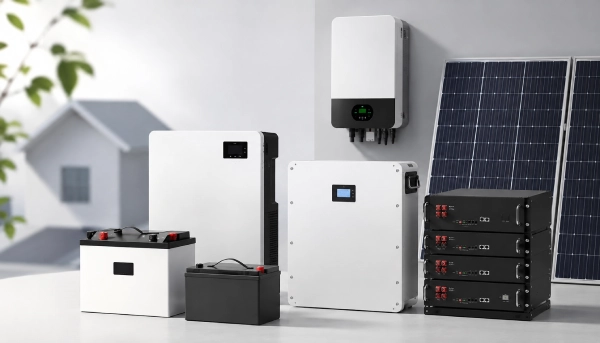
Lithium battery prices in Pakistan run from about Rs. 18,000 for a small 12V battery to over Rs. 1,000,000 for a large commercial system. Most homes buy a 5kWh battery (48V or 51.2V), and that size costs between Rs. 185,000 and Rs. 310,000 as of September 2026.
These figures come from dealer listings and solar suppliers across Pakistan. Battery prices move with the rupee, so treat them as a starting point and confirm the current rate with your dealer before you buy.
Lithium Battery Price by Size (kWh)
Battery size is measured in kilowatt-hours (kWh). A bigger battery stores more power and costs more.
| Battery Size | Typical Voltage | Price Range (PKR) |
|---|---|---|
| 2.5 kWh | 24V / 25.6V | Rs. 120,000 – 170,000 |
| 5 kWh | 48V / 51.2V | Rs. 185,000 – 310,000 |
| 10 kWh | 48V / 51.2V | Rs. 400,000 – 550,000 |
| 14–16 kWh | 48V / 51.2V | Rs. 570,000 – 700,000 |
| 30+ kWh (commercial) | 51.2V | Rs. 1,000,000 and up |
Lithium Battery Price by Brand
Brand changes the price even at the same size. Here is the price range for a 5kWh (48V/51.2V) lithium battery from brands commonly sold in Pakistan.
| Brand | Price Range (PKR, ~5kWh) |
|---|---|
| Itel Energy | Rs. 135,000 – 237,000 |
| MaxPower | Rs. 175,000 – 210,000 |
| Knox | Rs. 190,000 – 260,000 |
| Fronus | Rs. 195,000 – 215,000 |
| Dyness | Rs. 250,000 – 265,000 |
| PylonTech | Rs. 250,000 – 430,000 |
| Inverex | Rs. 450,000 – 545,000 |
PylonTech and Inverex cost more, mainly because of stronger local warranty support and wider inverter compatibility. Knox, Dyness, Fronus, Itel, and MaxPower sit in the mid-range and are common choices for home solar setups.
Lithium vs Lead-Acid: Which Costs Less Over Time
Lead-acid (tubular) batteries cost less to buy. Lithium batteries cost more upfront but last much longer.
| Feature | Lead-Acid (Tubular) | Lithium (LiFePO4) |
|---|---|---|
| Price per kWh | Rs. 15,000 – 25,000 | Rs. 35,000 – 55,000 |
| Cycle Life | 1,000 – 1,500 cycles | 6,000 – 8,000 cycles |
| Typical Lifespan | 3 – 5 years | 8 – 15 years |
| Usable Depth of Discharge | About 50% | 90–95% |
| Round-Trip Efficiency | 80–85% | 95%+ |
| Weight (5kWh usable) | 150–200 kg | 45–55 kg |
| Maintenance | Water top-ups, cleaning | None |
A lead-acid bank lasts 3 to 5 years, so you may replace it three or four times over 15 years. A lithium battery bought once for Rs. 200,000 to 275,000 can run for that same 15 years. Add up the repeated cost of lead-acid replacements and it often lands close to the lithium price, without the extra usable power that lithium gives you at 90%+ depth of discharge against lead-acid’s 50%.
Why Lithium Batteries Cost What They Do
Lithium batteries need lithium, cobalt, and nickel, and Pakistan imports all three. Manufacturing needs precision, and every battery includes a Battery Management System (BMS) that manages charging, cell balance, and temperature. These parts add to the price next to a basic lead-acid battery.
The rupee plays a part too. A 10% drop against the US dollar usually pushes battery prices up by 8 to 12%. Customs valuation changes made in 2026 added Rs. 20,000 to Rs. 50,000 to prices, depending on battery size. That is why the price you see today can shift within a few months.
What Size Battery Do You Need?
Add up the wattage of everything you run after sunset: fans, lights, fridge, TV, router. Multiply that by the hours you need backup for. Divide by 1,000 to get kWh, then add 20% so the battery is never drained to zero.
| Home Type | Evening Load | Backup Hours | Battery Size |
|---|---|---|---|
| Basic backup (fans, lights, fridge, TV) | 600–700W | 8 hrs | ~5 kWh |
| Moderate home (+ washing machine, computer) | 1,000–1,200W | 7 hrs | ~7–8 kWh |
| Full house with 1 AC | 1,500–1,800W | 6 hrs | ~10 kWh |
| Large home with 2 ACs | 2,500–3,000W | 6 hrs | ~15 kWh |
These are starting points. Your actual load depends on which appliances you run and for how long, so check your electricity bill or ask your installer to measure it.
What to Check Before You Buy
- Inverter compatibility – your inverter needs a lithium mode and BMS communication (CAN or RS485). Most hybrid inverters made after 2021 support this; older models may not.
- BMS quality – a real BMS shows cell voltage and health through a display or a phone app. If the seller says there is no display or app, treat that as a warning sign.
- Warranty – look for 5 years or more from a dealer with a real service address in Pakistan. Ask what happens if the battery fails in year three, and whether it gets repaired or replaced.
- IP rating – IP20 batteries are for indoor use only. If you plan to install outdoors, look for IP65.
- Price per kWh, not just the sticker price – a cheaper battery with lower real capacity can cost more per kWh than a pricier one. Compare price against rated kWh, not the number on the price tag alone.
How to Spot a Fake Lithium Battery
Counterfeit batteries are a real problem in the Pakistani market. A few checks before you pay can save your money and keep your home safe.
- Ask for the battery’s serial number and keep it with your paperwork.
- A genuine battery comes with a warranty card stamped by an authorized dealer, not just a plain receipt.
- Buy from an authorized distributor. Unbranded batteries with no paperwork are the most common source of fakes.
- Get it installed by a certified technician. Wrong charge settings are one of the most common causes of early battery failure.
Frequently Asked Questions
How long does a lithium battery last in Pakistan?
A quality LiFePO4 battery with a good BMS and correct inverter settings lasts 8 to 15 years, or 6,000 to 8,000 charge cycles. Actual life depends on how deep you discharge it, local heat, and whether your inverter is set correctly for lithium.
Which lithium battery brand is common in Pakistan?
PylonTech is one of the most widely installed brands for home solar, mainly because most hybrid inverters support it without extra setup. Knox, Dyness, Fronus, and MaxPower are common mid-range picks, and Inverex sits at the premium end with a longer local warranty.
Can a lithium battery run my air conditioner?
Yes. A 5kWh (51.2V 100Ah) battery or larger can run one inverter AC along with normal home appliances, depending on the AC’s load and how long you run it.
Why did lithium battery prices in Pakistan go up in 2026?
Two reasons stand out: the rupee lost value against the dollar, which raises the cost of imported cells and BMS parts, and customs valuation on batteries was revised upward during the year.