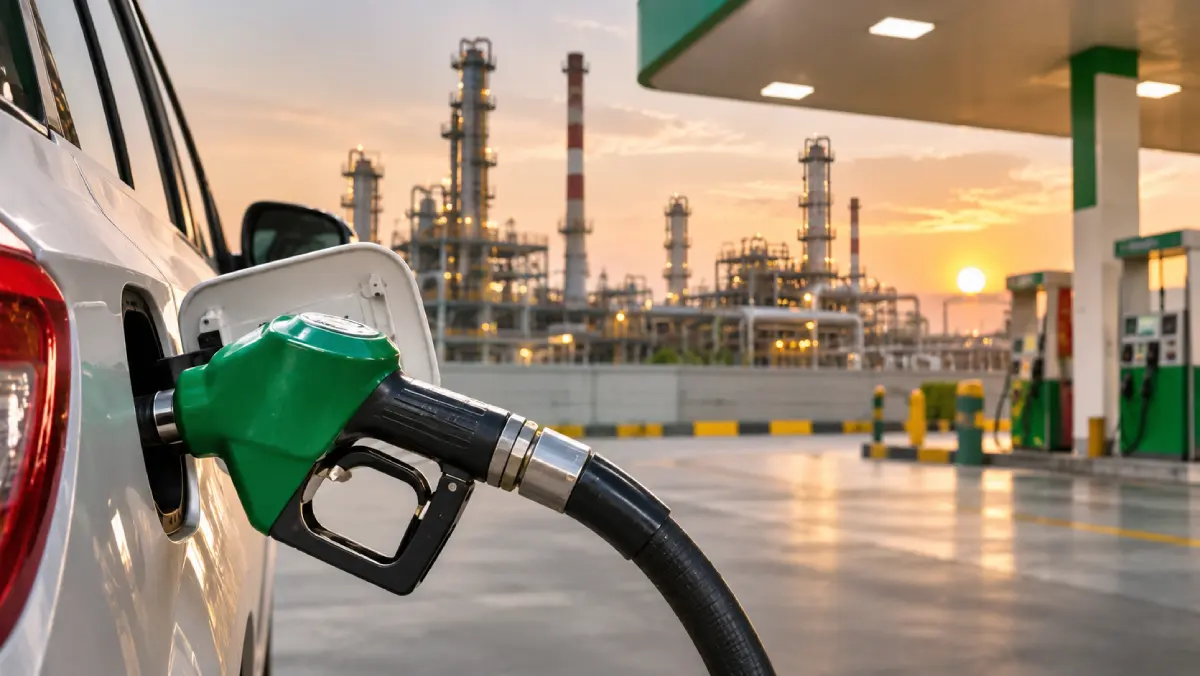
Petroleum dealers in Pakistan have called for an audit of the country’s oil refineries. They say the review could help reduce fuel prices by Rs 40 to Rs 50 per litre.
The Pakistan Petroleum Dealers Association (PPDA) wants the government to examine refinery profits, costs, and fuel pricing.
The demand follows a sharp rise in refinery profits during July and September.
Oil Refinery Profits Reach Rs 32.2 Billion
According to Topline Securities, refinery profits reached Rs 32.2 billion in the first quarter of FY2027.
The sector earned Rs 1.6 billion during the same period last year. Profits also stood at Rs 1.1 billion in the previous quarter. The report linked the rise to higher gross refining margins during the US-Iran war.
PPDA Chairman Malik Khuda Bakhsh said the recent profit figures raised concerns about fuel prices.
Dealers Seek a Forensic Audit
The association wants an independent audit of all oil refineries. The review should examine crude oil purchases, production costs, expenses, and fuel sales. Dealers say the audit could show how much refinery profits affect consumers. They also called for petroleum dealers to take part in government discussions on fuel prices.
Fuel Price Relief Could Help Consumers
PPDA said lower fuel prices could ease pressure on consumers. People are already facing high electricity bills, gas prices, and transport costs.
However, the proposed Rs40-50 per litre cut is not confirmed. The government has not announced a fuel price reduction based on this audit demand.