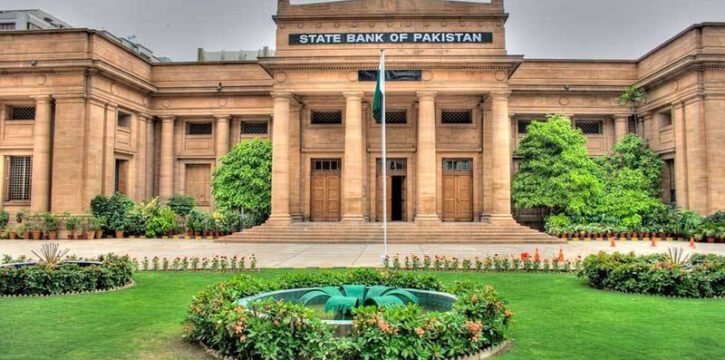
The State Bank of Pakistan has decided to maintain its benchmark interest rate at 11.5 percent. It was to keep inflation under control amidst ongoing Middle East conflicts.
The Monetary Policy Committee (MPC) of the State Bank of Pakistan (SBP) held its key policy rate at 11.5 percent. SBP Governor Jameel Ahmad announced the decision during a press conference in Karachi on 27 July 2026.
The decision matched the expectations of most market analysts. Central bank officials went for a cautious path due to rising global commodity prices and regional geopolitical risks.
Key Factors Behind the Decision
Inflation Trends
Headline inflation dropped slightly from 11.7 percent in May to 11.1 percent in June. SBP expects inflation to decline further over the next two months if geopolitical tensions do not escalate.
Middle East Tensions
Recent conflict in the Middle East drove up energy costs and volatile oil prices. It created fresh inflationary pressures for import dependent nations.
Economic Growth
Pakistan’s economic growth reached 3.9 percent for the previous fiscal year. Growth was slowed in the fourth quarter as global trade and supply chains faced disruptions.
Foreign Exchange Reserves
SBP foreign exchange reserves went over $18 billion, by the end of June 2026. It was supported by official inflows and direct SBP market purchases.
External Debt and Future Outlook
Pakistan faces $21.5 billion in total external debt servicing for the current fiscal year. This figure includes $17 billion in principal payments and $3.5 billion in interest obligations. Governor Ahmad noted that authorities expect to roll over a major portion of the principal debt.
The central bank aims to guide inflation down toward its target range of 5 to 7 percent by June 2027. SBP officials emphasized that preserving macroeconomic stability remains their top priority.