There is a significant policy shift in 2026 in Pakistan solar net metering, where the government is transitioning to a new net billing system, replacing the previous net metering.
This move follows a swift increase in rooftop solar systems across the nation. The National Electric Power Regulatory Authority and the federal government approved the shift to address financial pressure on the power sector.
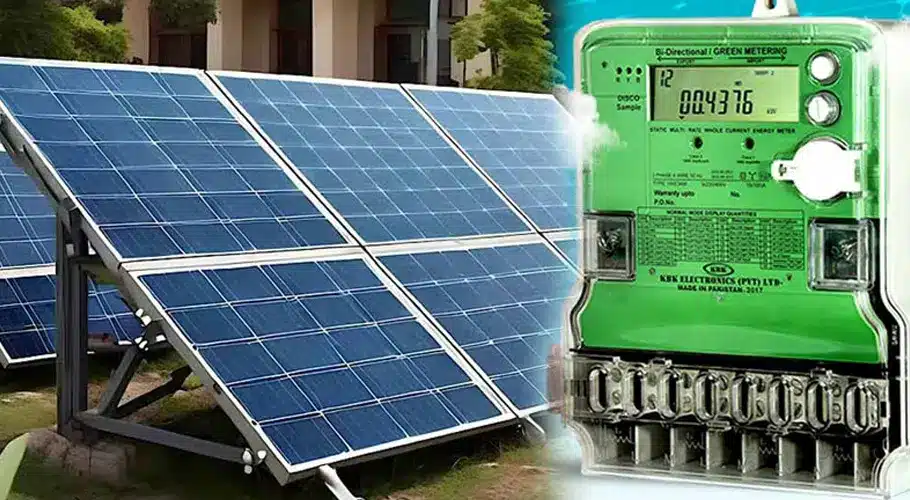
Under the previous solar net metering system, consumers who installed rooftop solar panels could send extra electricity to the national grid. They received nearly the same rate for exported units as they paid for imported units. This one to one adjustment made solar systems highly attractive. Many consumers recovered their investment within three to four years.
Impact on New Consumers and Investment Payback
Now, under net billing, the system works differently. New solar consumers will be selling their surplus electricity to the grid at a cheaper fixed rate, which is at this time around Rs11-Rs13 per unit. They will, however, pay the retail tariff when purchasing electricity through the grid. This disparity decreases aggregate savings. New applicants are also required to have their contract periods cut from seven years to five years.
Comparing the Old vs. New Policy
This table summarizes how the financial landscape is changing for solar owners:
| Feature | Old Net Metering System | New Net Billing System (2026) |
| Export Rate | Near-retail price (High) | Fixed lower rate (Rs11–Rs13) |
| Import Rate | Offset by exported units | Full retail tariff |
| Payback Period | 3 to 4 years | Estimated 6 to 8 years |
| Primary Goal | Investment/Export | Self-consumption/Backup |
Experts say lower export rates will increase payback periods, especially for systems designed to export large amounts of electricity. Consumers may now focus more on self consumption and use the grid mainly as backup. The government says the reform will reduce revenue losses for power companies and maintain stability in the national electricity network while still allowing solar growth.