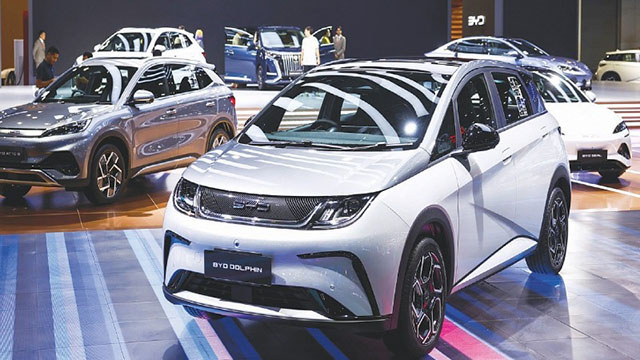
The federal government ended lower tax rates for hybrid cars after a key policy deadline passed on June 30. According to officials, both imported and local hybrid vehicles face a 25% sales tax starting July 1, 2026. It will directly increase car prices for buyers.
The Federal Board of Revenue implemented a major tax policy change for the automotive market from July 1, 2026. According to official reports, both local and imported hybrid vehicles are now subject to a 25% sales tax.
Market experts stated that this decision ends the previous lower tax rates that helped keep fuel-efficient cars affordable for local consumers.
End of Special Tax Relief
The Federal Board of Revenue confirmed that the special sales tax concessions granted under the Automotive Industry Development and Export Policy expired fully on June 30, 2026. Before this deadline, locally manufactured hybrid cars enjoyed lower sales tax rates ranging between 8.5% and 12.75%.
Following the end of the relief period, the tax department moved hybrid models into a high-tier tax category to impose a flat 25% rate. Auto manufacturers stated that they cannot absorb this heavy extra cost and must pass it directly to car buyers.
Expected Impact on Car Prices
Market analysts noted that this new tax rule will cause a sudden price surge for popular hybrid models across Pakistan. The new policy impacts heavily demanded family vehicles and sport utility options, including localized versions of the Toyota Corolla Cross and Haval H6.
According to industry estimates, car showroom prices will likely go up by hundreds of thousands of rupees per unit depending on the engine size and battery specifications. Dealerships added that the higher taxes will make it harder for middle-class families to switch away from standard petrol cars.