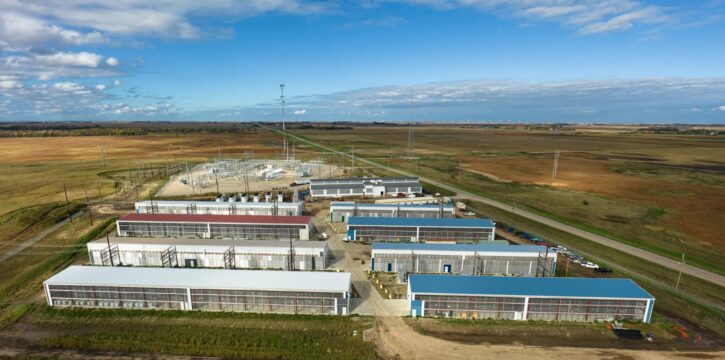
A new United Nations report warns that the rapid rise of artificial intelligence will cause data centers to consume three times more electricity than the total combined power used by Pakistan, Bangladesh, and Nigeria by 2030.
The rapid growth of artificial intelligence is placing a massive hidden strain on the planet’s physical resources. A United Nations University Institute for Water, Environment and Health (UNU-INWEH) comprehensive study showed that global data centers powering AI are projected to consume 945 terawatt-hours of electricity annually by 2030.
This massive energy demand is nearly triple the combined yearly electricity use of Pakistan, Bangladesh, and Nigeria—three nations that are home to over 650 million people.
Future Water Crises
The UN researchers highlighted that looking only at carbon emissions misses the severe local damage being done to water and land. Large server farms require millions of liters of water daily just to keep high-performance processors from overheating.
By 2030, AI’s global water footprint is expected to hit 9.3 trillion liters. This is enough water to meet the basic annual domestic needs of 1.3 billion people living in Sub-Saharan Africa.
Daily AI Usage
The study revealed that day-to-day user interactions drive 80% to 90% of total energy demand, rather than the initial training of AI models.
The environmental cost also depends heavily on the type of task a user requests:
- A regular conversational chatbot prompt uses about 200 times more energy than a basic text classification search.
- Generating a single AI image uses 1,450 times more energy than text, while creating a short video can swallow as much electricity as processing 200,000 spam emails.
Threat of Electronic Waste
The UN study also warned about a massive electronic waste problem. Driven by the constant need for faster computer chips, AI infrastructure is projected to generate up to 2.5 million tons of e-waste every year by 2030.
The researchers noted that a lot of this hazardous waste will likely be shipped to lower-income countries. Those places often do not have safe disposal facilities.