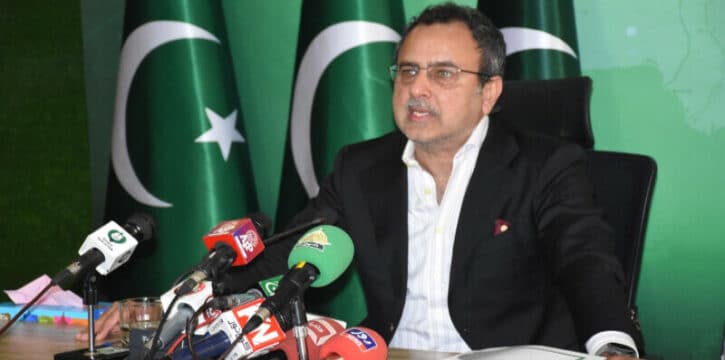
The federal government stopped the implementation of the new solar policy after intense public and political backlash on February 12, 2026 in Islamabad. The policy sought to shift consumers from solar net metering to net billing. The decision was paused and the government ordered an appeal against the regulator’s decision.
Federal Minister for Power Division Awais Leghari spoke in the National Assembly about the reversal. He said the criticism over net metering must be seen within wider power sector reforms. He listed major actions the government had taken, including reducing circular debt by Rs. 780 billion and renegotiating IPP contracts that saved Rs. 3,400 billion. He also noted Rs. 100 billion in cuts in a project linked to a relative of the Prime Minister.
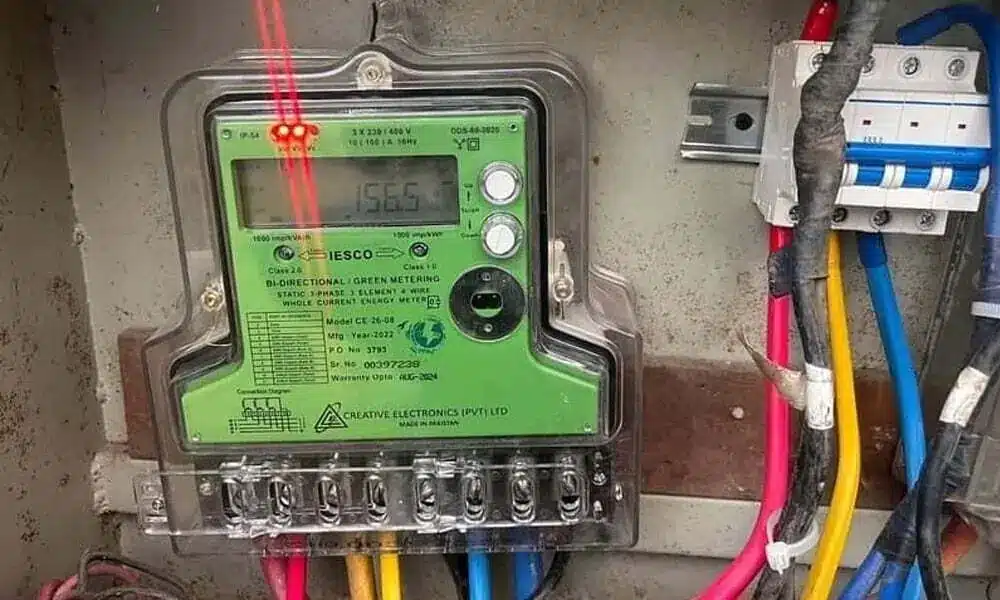
Net Metering Facts and Numbers
Net metering was first introduced in 2017 under the PML-N government and has been revised several times. Around 700,000 consumers were on net metering. The volume of solar power in Pakistan stands between 20,000 and 22,000 megawatts. About 6,000 MW is under net metering and roughly 7,000 MW is in industrial and commercial segments.
Leghari questioned whether it was fair for the government to buy electricity at Rs. 27 per unit under net metering when other sources cost about Rs. 8 per unit. He said roughly 35 million consumers are not on net metering.
Government Response and Load Shedding
Officials reported that out of 12,665 feeders nationwide, 2,223 face more than 10 hours of load shedding. The worst outages were in Quetta and Sukkur. Total transmission losses over two years exceeded Rs. 600 billion.
The government also said it would file an appeal against the regulator’s change and review solar rules going forward.