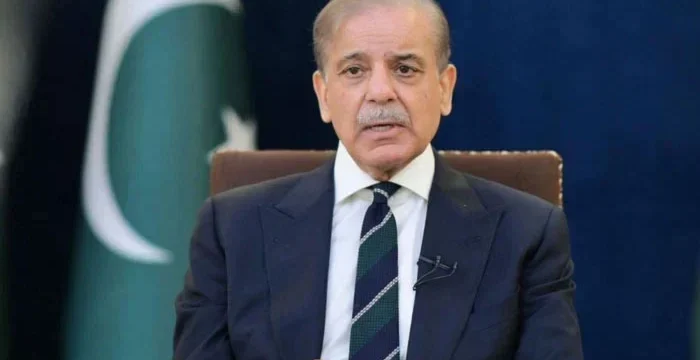
Prime Minister Shehbaz Sharif has proposed a comprehensive austerity plan that is expected to help in cutting down government spending to help Pakistan improve its poor economic state. The plan has been introduced at a time when the instability in the world, together with domestic financial pressures, has heightened the need to be financially disciplined.
Key Measures of the Austerity Plan
The Shehbaz Sharif austerity plan is based on reducing unnecessary government expenditure, limiting official travels, and streamlining administrative resources. It is reported that ministries have been proposed to revise budgets and delay non-critical projects. There is also a focus on the minimization of the luxury allowance and discretionary pay of top officials.
Strategic Goals
The strategy by Prime Minister Sharif is aimed at enhancing fiscal management and sending a message about Pakistan being determined to remain on track financially both locally and internationally. The government is more focused on spending government funds efficiently and making sure that the government does not interfere with basic services provided.
Officials have stressed that the austerity measures are not meant to impact development initiatives vital to economic growth.
Global and Regional Challenges
The war situation in Eastern Europe also affects the plan since global energy and commodity markets have been shaken by the war. The increasing prices of oil internationally and uncertainty in the supply chain have placed extra strain on the economy of Pakistan, and one has to engage in extreme fiscal discipline.
Expected Outcomes of Austerity Plan
These measures will help the government to reduce budget shortfalls and improve on revenue efficiency and macroeconomic stability. Analysts consider the Shehbaz Sharif austerity plan one of the major moves to regain investor confidence and insulate the economy against external shocks.