- US-Iran peace talks in Islamabad broke down after 21 hours without a deal.
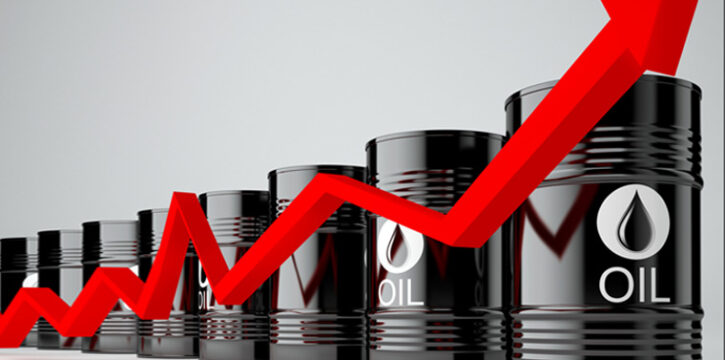
- US crude oil jumped 8% to $104.50 per barrel; international benchmark Brent rose 7% to $102.
- Trump has ordered a US Navy blockade of the Strait of Hormuz.
- Experts warn oil prices could stay high through the end of 2026.
Last week’s US-Iran ceasefire briefly raised hopes of a full reopening of the Strait of Hormuz, and oil prices dropped sharply as a result. Those gains have now been reversed. Peace talks held in Islamabad over the weekend collapsed without a deal.
Hours after the talks failed, Trump posted on Truth Social that the US Navy would “blockade any and all ships trying to enter, or leave, the Strait of Hormuz” and would seize ships that had paid Iran for the right to pass through the area.
US Central Command later clarified that the blockade targets maritime traffic entering and exiting Iranian ports specifically. The blockade took effect at 10am ET Monday (7pm, PST).
Markets React Hard
- Brent crude climbed over $7 per barrel to $102.29.
- US benchmark WTI rose roughly $8 to $104.56.
- Wholesale petrol prices spiked 6%.
- Heating oil, a proxy for jet fuel, jumped 10%.
- The US dollar strengthened 0.5% against most major currencies.
Stock markets moved in the opposite direction.
- Dow futures lost over 500 points
- S&P 500 futures dropped 1%
- Nasdaq 100 futures declined 1.2%
What Comes Next
Energy expert Karen Young of Columbia University indicated that global oil prices are unlikely to stabilize until the Strait of Hormuz is reopened and damaged oil infrastructure is restored. It could extend through late 2026.
JPMorgan analysts say the last oil tankers will arrive by April 20. Once those stocks run out, the global supply shortage will get much worse.
In Pakistan, petrol prices have already risen from Rs321 to Rs458 per liter since the crisis began. Another global price hike will push these rates even higher.
Despite the breakdown, Vance said diplomacy is not over, leaving the door open for further negotiations.