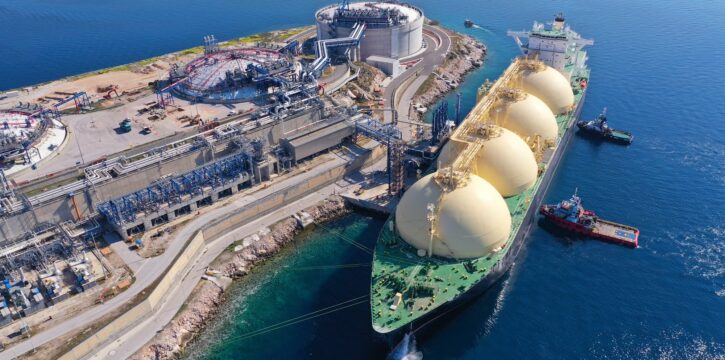
QatarEnergy recently halted all production at its Ras Laffan facility. This site is the world’s largest liquefied natural gas (LNG) export plant. Following this shutdown, European natural gas prices surged by nearly 50% in a single day. The plant provides approximately 20% of the global LNG supply. This stoppage now poses a major threat to international energy security.
Reasons for the Shutdown
The stop in production is a result of drone and missile strikes targeting Qatar’s infrastructure. These strikes were carried out on the country’s Ras Laffan and Mesaieed Industrial City infrastructure. QatarEnergy said that there were no casualties, but they invoked “force majeure” immediately. This is a legal term that allows the firm to suspend its delivery contracts due to uncontrollable circumstances. This was done to safeguard the lives and properties of the staff.
Impact on Global Markets
This supply gap has started a bidding war between Europe and Asia. Benchmark LNG prices in Asia jumped by nearly 39% following the news. Countries like Pakistan, India, and Bangladesh face high risks because they rely on Qatari shipments for electricity.
Regional tensions have also slowed traffic through the Strait of Hormuz. This narrow waterway handles one-fifth of all global LNG shipments. Many insurance providers now refuse to cover vessels in this area. If this disruption lasts for weeks, analysts warn that energy prices could double and increase global inflation.