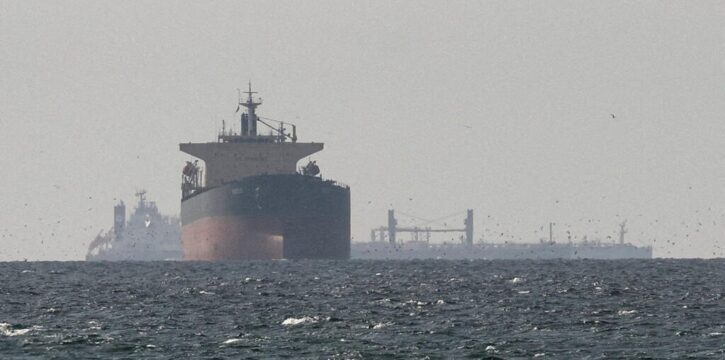
- Iran is allowing only 15 ships per day through the Strait of Hormuz.
- High-level US-Iran peace talks are underway in Islamabad.
- Iran has set strict conditions in negotiations.
- Lebanon remains the biggest obstacle.
Following a two-week US-Iran ceasefire, Iran has partially reopened the Strait of Hormuz but on its own terms. Iran is allowing only 15 ships per day to pass. Every vessel must get prior clearance from Iran’s Revolutionary Guard (IRGC) before entry. Global trade through the strait remains far below normal levels.
However, around one-fifth of the world’s oil and gas travels through it, so even this partial opening matters for global markets.
Islamabad Under Lockdown for High-Stakes Diplomacy
Direct US-Iran negotiations are now underway in Islamabad. High-level US and Iranian officials have arrived for talks. US Vice President JD Vance is leading the American side.
Authorities have sealed the city’s Red Zone and declared a public holiday in the twin cities. Army and ranger personnel are deployed across the capital to secure the foreign delegations.
Both sides are using Iran’s 10-point peace proposal as the starting point. The goal is to turn the current two-week ceasefire into a permanent deal.
Iran has laid out firm conditions. It wants its frozen assets released within two weeks. It is also demanding a UN Security Council resolution to formally end the conflict. If these conditions are not met, Tehran has warned the strait could close again.
Lebanon Could Break the Deal
The biggest obstacle right now is Lebanon. Israeli strikes in Lebanon are continuing despite the ceasefire in the Gulf. Iran says it will shut the strait again if those attacks do not stop.
The US and Israel are refusing to include Lebanon in the current truce. Iran says any permanent deal must cover Lebanon too. The two sides are deadlocked on this point.
Iran is currently sticking to uranium enrichment limits as part of the agreement. But the situation remains fragile.