- The SBP has officially received a massive $1.3 billion cash injection from the IMF following the completion of its latest economic review
- An IMF mission has arrived in Islamabad to begin negotiation talks for the upcoming 2026–27 federal budget.
- The talks go beyond simple tax targets. Pakistan to lay out a complete roadmap to end interest-based commercial banking by 2028.
The State Bank of Pakistan has confirmed receiving $1.3 billion (SDR 914 million) from the International Monetary Fund (IMF) on Wednesday.
This amount came in Pakistan’s accounts on May 12. It follows the IMF Executive Board’s meeting held on May 8, 2026, for the successful third review of the EFF and the climate-focused RSF.
The central bank noted that this inflow will officially be visible in Pakistan’s foreign exchange reserves report for the week ending May 15, 2026.
IMF Mission Demands Strict Structural Reforms For the 2026–27 Federal Budget
Simultaneously, an IMF mission has arrived in Islamabad to start face-to-face meetings today with Pakistani authorities regarding the upcoming 2026–27 federal budget.
While the freshly received $1.3 billion helps stabilize national reserves, the incoming IMF team is focusing on strict structural changes. The government must get the IMF’s approval on this budget framework before presenting it to the National Assembly next month.
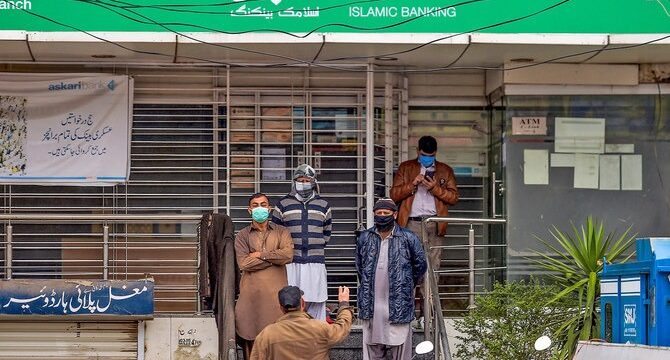
The 2028 Deadline to End Interest Based Banking
The most unique topic on the table is a complete rewrite of Pakistan’s banking rules. Following a constitutional mandate, Pakistan is required to completely end interest based commercial banking by 2028.
A high-level committee led by the Finance Ministry is currently putting together a post-2027 Islamic financial strategy. The IMF intends to review this roadmap by June to evaluate how commercial banks will transition into a fully interest-free system.
Energy Subsidies and Price Hikes Under Scrutiny
Budget planners are also being pushed to limit total electricity subsidies to a maximum cap of Rs. 890 billion for the next fiscal year. The government must show a clear plan to
- Reduce energy sector debt.
- Give targeted financial aid through the BISP instead of giving cheap electricity to everyone.