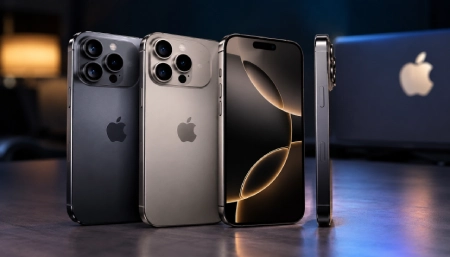
Apple’s iPhone 18 Pro is shaping up to be one of the bigger updates to the Pro lineup in a while, based on reports from several tech outlets. It’s expected to launch alongside the iPhone 18 Pro Max and Apple’s first foldable iPhone, making for a busier September than usual.
Here’s what’s expected to change on the iPhone 18 Pro:
- A20 Pro chip: Apple’s first chip built on a 2nm process. Leaked benchmark data points to around 18% faster performance, or up to 30% better battery efficiency at the same speed.
- Bigger battery: The Pro Max is expected to get a battery roughly 10% larger than last year’s, helped by the new chip and a switch to Apple’s own C2 cellular modem instead of Qualcomm’s.
- New camera setup: A variable aperture main camera that lets you control how much of the background stays in focus, plus a wider aperture telephoto lens.
- A simpler Camera Control button: The touch-sensitive button from the iPhone 16 and 17 is expected to get fewer gestures, after many people found it fiddly to use.
- Smaller Dynamic Island: Face ID parts are reportedly moving under the display, shrinking the cutout at the top of the screen.
- A more even design: Apple is expected to blend the back panel colors better, and add a new Dark Cherry shade in place of this year’s orange.
When Will It Launch?
Apple hasn’t confirmed a date, but most reports point to a September event, with September 9 being the date analysts expect. If that holds, pre-orders would likely open around September 12, with phones going on sale around September 18. iOS 27, the new software update, is expected to follow within a few days of the event.
The phone is also expected to cost more this time. A supply chain report from TrendForce says the cost of parts going into the iPhone 18 Pro could rise by up to 38%, mainly because RAM and storage chips have gotten far more expensive. Some early estimates put the starting price for the 256GB model at around $1,399, though Apple hasn’t confirmed anything yet. If that number holds, buyers in Pakistan will likely feel it directly, since iPhones here are mostly bought through import rather than an official Apple store.