Oil prices today jumped more than 6% this week. The spike came right after President Donald Trump said the ceasefire with Iran was finished. Brent crude, the world's main oil price benchmark, climbed past $78 a barrel. That's its highest level in weeks.
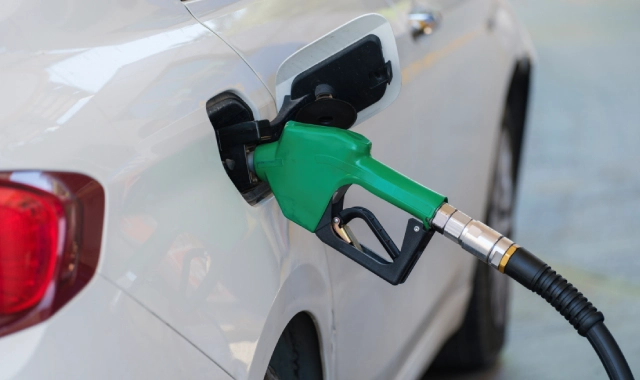
This is not just a number on a trading screen. It could mean higher prices at the gas pump, right when fuel costs had just started to ease.
What Happened
On Wednesday, July 8, Trump told reporters at the NATO summit in Turkey that the ceasefire with Iran was over. His comment came a day after Iranian forces reportedly struck three ships near the Strait of Hormuz.
Iran's foreign ministry called the latest U.S. strikes a serious breach of the memorandum of understanding both countries signed last month to end their war. Trump went further, saying the U.S. would likely hit Iran again and hinted at bringing back the naval blockade in the Strait of Hormuz. He later softened his tone, saying he did not expect full-scale fighting to resume.
How Much Oil Prices Rose
- Brent crude rose more than 5%, closing near $78 a barrel.
- U.S. West Texas Intermediate (WTI) climbed 4.4%, settling around $73.52 a barrel.
- Prices had already been rising earlier in the week, after the U.S. revoked a sanctions waiver that had allowed Iran to sell oil on the open market.
Brent and WTI set the tone for fuel prices worldwide, from airline tickets to the pump price at your local gas station.
Why the Strait of Hormuz Matters
The Strait of Hormuz is a narrow sea passage between Iran and Oman. Roughly one-fifth of the world's oil and natural gas shipments pass through it. Any threat to this route puts oil traders on edge instantly.
This week, three vessels near the strait came under attack in under 24 hours. One of them, a Qatari LNG tanker named Al Rekayyat, caught fire after being hit. The Joint Maritime Information Center, which tracks shipping threats in the region, raised its alert level for the area to "severe."
What Market Experts Say
Analysts say the latest attacks are a reminder that peace in the region remains fragile. Saxo Markets strategist Charu Chanana noted that traders are adding back some risk premium tied to Hormuz, though the market has not yet priced in a full disruption. ING's commodities strategist Warren Patterson pointed out that the region is still far from normal, even if a measured U.S. response only offers short-term price support.
At the same time, some banks, including Goldman Sachs and Morgan Stanley, have warned of a possible oil glut later this year, as OPEC+ keeps raising output and Gulf supply recovers. That backdrop could limit how far and how long this price spike lasts.
What This Means for You
If oil stays elevated, expect gas prices to creep back up after weeks of decline. Airlines, shipping companies, and any business that depends on fuel will likely feel the pinch first, with costs passed on to consumers over time.