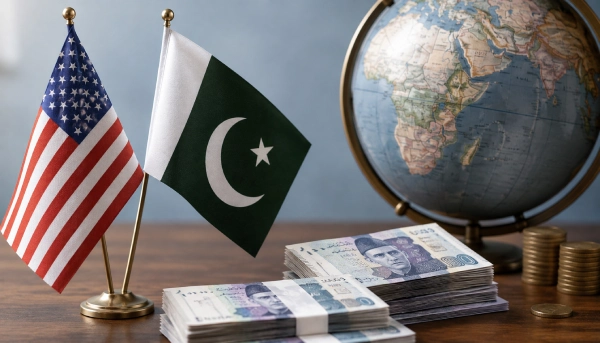
Pakistan has formally asked the United States for a $10 billion Exchange Stabilisation Support Facility, Finance Minister Muhammad Aurangzeb confirmed on Wednesday, the first time a government official has confirmed the request publicly. Pakistan expects a response from either the US Exim Bank or the US Treasury by the end of September.
What this facility is actually for:
- It’s not a loan or a credit line, according to Aurangzeb.
- It’s meant to signal that Pakistan’s currency and foreign exchange position is stable.
- That signal is meant to help Pakistan raise money more easily from international capital markets.
- If approved, it would add to Pakistan’s reserves, ease pressure on the rupee, and cut the country’s reliance on other multilateral lenders.
Aurangzeb said the goal is to move away from Pakistan’s usual pattern of asking bilateral partners to keep rolling over old loans, and instead build a track record that lets Pakistan borrow directly from global markets, with longer repayment periods of 5, 7, or even 10 years. He said Pakistan has already tested this approach this year with a Eurobond, an Islamic Sukuk, and a dollar-settled rupee-linked bond, and has now appointed three arrangers to help it return to international debt markets. Part of the plan involves improving Pakistan’s sovereign credit rating too. Aurangzeb said the rating has been stuck since 2003-04, and the government is now targeting at least a B+ with help from international ratings agencies.