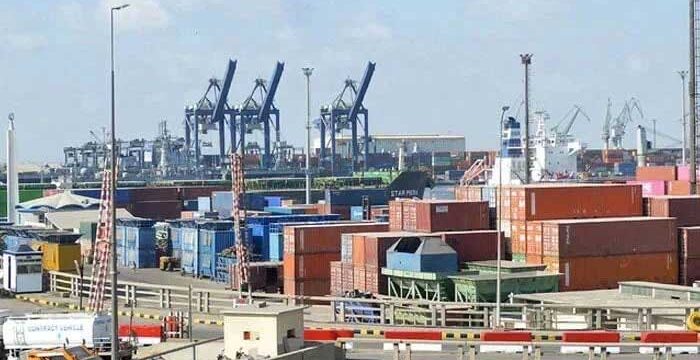
Pakistan’s trade deficit grew by 28 percent during the first seven months of this fiscal year. Data released by the Pakistan Bureau of Statistics (PBS) shows the gap between imports and exports reached 13.52 billion dollars from July to January. This is a sharp increase from the 10.56 billion dollars recorded during the same time last year.
The main cause of this widening gap is a rapid increase in the import bill. Total imports jumped to 34.35 billion dollars, while exports only reached 20.83 billion dollars. Though exports increased by almost 7 percent, they were not able to match the 14 percent growth in foreign purchases. During January alone, the trade deficit increased to 2.13 billion dollars due to increased expenditure on international products.
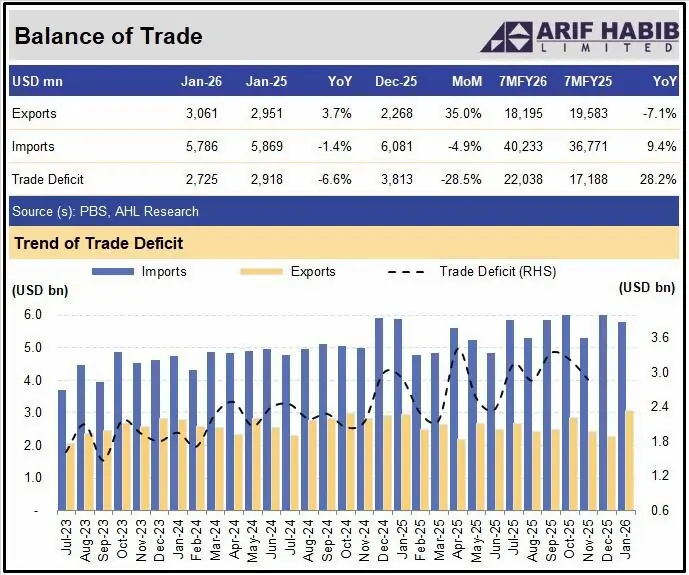
Pakistan Balance of Trade 2026 Graph
Impact on Pakistani Economy & Future Plans
This imbalance puts a lot of pressure on the economy of Pakistan. It consumes the foreign exchange reserves and undermines the value of the Pakistani rupee against the dollar. An increasing deficit usually causes increased external borrowing and inflation for the domestic consumer.
The government will introduce tighter importation restrictions on luxurious goods to stabilize the situation. Authorities seek to offer more incentives to domestic manufacturers to boost exports. As a strategy to democratize the Pakistani economy and help it to regain its balance, the state will make the Pakistani products more competitive in the global markets through energy efficiency and lowering the cost of production.