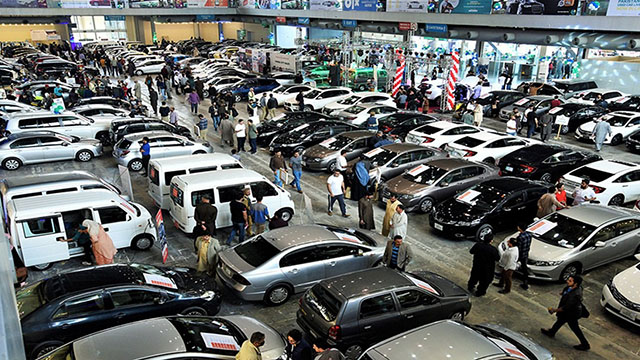
Official data shows that a massive drop in interest rates and smooth parts imports helped local car sales surge by 48% during the first eleven months of the fiscal year.
Pakistan automotive industry experienced a major turnaround in sales. This is due to improving macroeconomic conditions. According to the Pakistan Automotive Manufacturers Association (PAMA), local car sales reached 140,253 units between July and May.
The industry body reported that overall passenger car sales in May alone rose by 19.3% compared to the same month last year. Local buyers bought 17,660 vehicles in May, up from 14,802 units a year ago. Easing government restrictions on importing car parts allowed local factories to fully normalize their assembly lines.
Cheaper Bank Loans Revive Buying Interest
Automobile experts explained that the primary reason behind this growth is the financial relief from the State Bank of Pakistan. The central bank aggressively reduced policy interest rates to stable levels. This change quickly revived auto financing. It made it easier for citizens to use bank loans to buy new cars.
Data from individual manufacturers showed that Suzuki continued to dominate the budget market. The Suzuki Alto remained the top choice for buyers. Its sales climbed to 5,964 units from 3,409 units last year. Meanwhile, Honda and Hyundai also maintained steady market traction with their sedan lineups.
Why Electric Vehicles Are Left Behind
Despite the overall sales boom, electric vehicles have made almost zero impact on the local market. Industry experts pointed out that electric cars remain luxury items. They are beyond the reach of average consumers due to high initial costs.
Furthermore, the country still lacks public charging infrastructure across all major highway networks and cities. Unreliable power grids and regular blackouts also create massive range anxiety, making pure electric vehicle ownership highly impractical for local drivers.
Experts noted that the government must install public chargers like local fuel pumps if it wants to support the green segment in the future.